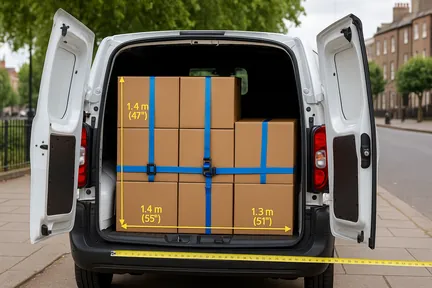
Describe each loaded pallet separately
State the number of pallets and give the dimensions of every loaded unit, including anything projecting beyond the base. Include wrapping, protective frames and any top-heavy or irregular shape. A standard pallet base does not mean the goods above it have the same footprint, so measure the complete unit as it will travel.
Identify whether the pallets are alike or contain different goods. Give individual weights as well as the combined total, especially where one unit is considerably heavier than the others. This supports a more useful discussion of vehicle capacity and positioning than describing the consignment only as a pallet or a small amount of freight.
Use gross weight rather than the product weight alone
The vehicle carries the goods, pallet, packaging and any supporting structure together. Provide the loaded gross weight where available and explain any uncertainty. A compact pallet of dense products can create a very different carrying requirement from a much larger lightweight load.
Do not choose a vehicle from floor space alone. Payload needs to accommodate the complete consignment, and any equipment or other goods involved must also be considered in the booking discussion. The team should check the actual load rather than infer its weight from a photograph or the number of pallet positions you expect to need.
Check the condition and stability of the unit
Goods should be prepared as a stable load appropriate for handling and road transport. Tell us about overhang, uneven weight distribution, fragile contents or anything that cannot tolerate another item above it. Explain packaging or securing requirements that are specific to the products rather than assuming the pallet base protects everything on it.
A photograph of the prepared load can help show an irregular shape or protruding component. Include measurements and weights alongside it. If the goods have not yet been palletised, make clear that the final loaded dimensions are still to be confirmed so the vehicle assessment is not based on an unfinished arrangement.
Confirm the loading equipment at collection
Ask the releasing site what equipment it can provide and how the pallet will reach the vehicle. A forklift or loading dock changes the handover discussion, but its mere presence on a site does not confirm availability at your collection time. Give the booking team the agreed loading method and the relevant site contact.
Check whether an appointment or collection number is required. Explain any restrictions on vehicle approach, height or unloading position. The plan needs to cover the actual movement from the pallet’s starting point to the van, including who operates the site’s equipment and who can authorise release.
Give the delivery site its own handling assessment
A receiver may have different facilities from the collection warehouse. Confirm whether equipment and staff will be available at the agreed time and identify the area where the load can be accepted. Describe the ground surface, gradients or narrow approaches that affect the final unloading position.
For a tail-lift enquiry, the team needs details such as:
- The pallet’s loaded footprint, height and gross weight.
- Whether a suitable handling device is available for the unit.
- The condition and level of the ground at the unloading point.
- The route from the vehicle to the agreed receiving position.
- Any site restriction affecting use of the proposed equipment.
Understand the role of a tail lift
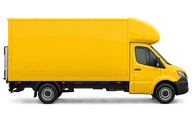
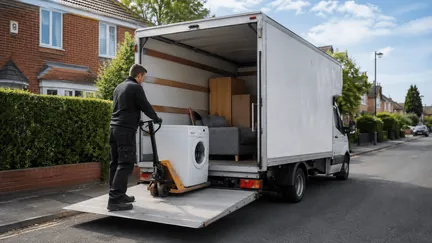
A Luton box van with a tail lift may be relevant where a compatible load needs moving between vehicle and ground level. Platform dimensions, operating limits and the handling arrangement must be checked for the actual unit. The words tail lift do not by themselves establish that a particular pallet can be moved safely.
The lift also does not settle access beyond the unloading point. Steps, gravel, slopes and long movements through a building need separate consideration. Explain these conditions when requesting the booking so the assessment covers the complete handover rather than only the height difference between the van and the ground.
Discuss curtain-sided access before selecting a vehicle
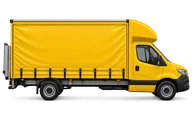
A Luton Curtain with Tail Lift can be worth discussing when the load has a particular access requirement. Give the intended loading method and the equipment available at both addresses. Confirm the vehicle’s actual access arrangements with the team rather than assuming a loading method from the body style or photograph.
Weather protection and load restraint are separate matters. Explain how the goods are packaged and any securing requirements that need to be considered. The transport plan should identify a suitable vehicle and handling method; curtains alone should not be treated as the mechanism that keeps a freight load safely positioned.
Keep release and receiving references aligned
A pallet might be recorded by a purchase order, consignment number or customer reference. Find out which reference each site needs and label the instructions accordingly. Give the collection entrance and goods-in location, since a company’s main reception may not handle freight releases or deliveries.
Nominate contacts who understand the consignment and can resolve questions about quantities or access. If several pallets make up one order, specify whether all must be ready before the collection proceeds. A partial release can affect both the receiver’s expectations and whether another movement will be needed.
Arrange a date around the two site windows
Provide the earliest release time and the receiver’s goods-in hours, including any appointment. Explain whether the date is flexible or tied to a particular operational requirement. Our scheduled delivery service is useful for a load that can be prepared ahead of time.
Where the freight is needed urgently, describe the actual deadline and review urgent cargo delivery. A time-sensitive request still needs the full weight and handling information. Availability, vehicle suitability and the route must be checked together before an arrival arrangement can be confirmed.
Identify mixed freight and additional stops
If cartons, equipment or loose items are travelling with the pallets, include them in the inventory. Explain whether they can be positioned or stacked safely alongside the loaded units. The largest pallet does not describe the complete vehicle requirement when other goods are also part of the job.
Collections or deliveries at several locations need a full itinerary. Tell the team which goods move at each stop and whether any equipment or empty packaging returns. For a smaller business transfer that is not palletised, the business courier page may provide a clearer starting point for the enquiry.
Review a freight estimate against the complete scope
The estimate is shaped by the vehicle, distance, access and agreed handling. Appointment requirements, waiting for a loading bay and additional addresses can affect the work. Set out these conditions while asking about the journey rather than leaving them to be discovered after the vehicle has been discussed.
Before accepting the arrangements, confirm:
- Individual loaded dimensions and weights for every unit.
- Total cargo, including accompanying cartons or equipment.
- The agreed loading and unloading method at both sites.
- Release references, appointment windows and available contacts.
- Any unusual goods or conditions requiring further assessment.
Request pallet transport with the facts available
Send the route and loaded-unit details through the enquiry process, or contact the team with photographs and a description of the facilities. You can compare the van fleet while preparing the brief. The options are assessed for an individual delivery with a driver, rather than as a promise that every pallet fits a van service.
The strongest freight enquiry makes size, weight and handling visible together. With a prepared consignment and clear arrangements at both sites, the team can discuss whether suitable van transport is available and what must be agreed for collection and delivery.