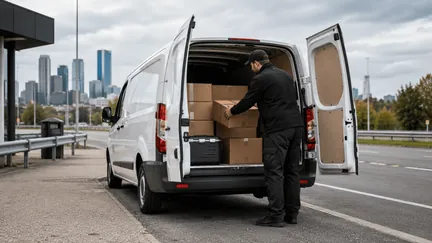
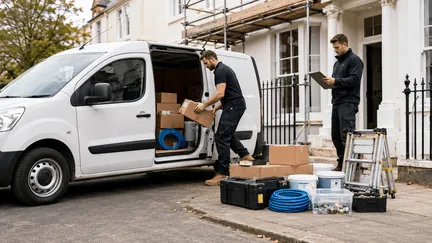
Build the booking around confirmed readiness
Choose a collection date when the whole consignment can be packed, released and accessed. If you are waiting for stock to arrive, ask the supplier when it will be available for collection rather than using the expected inbound delivery date. Goods can reach a warehouse before the receiving and release processes have been completed.
For a personal collection, agree the date with the seller or the person holding the items. Establish who will attend and whether the goods need dismantling beforehand. Planning ahead is most helpful when it removes uncertainty at the loading point, leaving the transport arrangements based on a load that is actually ready to travel.
Distinguish a preferred time from a booked slot
A request for a morning collection is different from a site appointment that only permits unloading during a particular interval. Give the actual start and finish of each access window and explain how it was agreed. Tell us whether a contact can accommodate another time or whether the slot needs rebooking if the plan changes.
Do not treat a date entered in an enquiry form as a confirmed reservation. The team checks the route, vehicle and availability for the individual journey. Once arrangements are agreed, give the collection and receiving contacts the same details. This avoids one site preparing for a broad window while the other expects a specific appointment.
Assemble a load list before requesting a vehicle
A planned delivery gives you time to measure properly. List the cartons, furniture or equipment as they will be presented for transport. Include protective packaging and the supporting pallet or base where applicable. Add the total weight and identify pieces that cannot be stacked, folded or carried in a different orientation.
A useful inventory records:
- The quantity and description of each type of item.
- Packed length, height and width of the largest pieces.
- Individual heavy items and the combined load weight.
- Packing, dismantling or release tasks still to be completed.
- Any item requiring particular positioning or handling.
Match the van to the agreed consignment
Compare the van fleet once the inventory is sufficiently clear. A Medium Wheelbase van may be relevant for a mixed load that needs more room than a compact vehicle, while longer items may point towards a Long Wheelbase van. The correct choice depends on the actual measurements, weight and access.
Allow for the load to be positioned and secured rather than treating the internal dimensions as a solid block of usable packing space. Keep the team informed if the inventory grows after the estimate. An extra cabinet or several dense cartons can change the appropriate vehicle even though the collection date stays the same.
Check the collection site’s arrangements
Warehouses and retailers may use their own booking systems or require a release number. Find out whether you or the transport team is expected to arrange the appointment, and confirm the agreed approach before the day. Give the relevant entrance, collection desk or loading area rather than just the business’s public address.
At a home or shared property, check that the person providing access has the necessary keys and permission. Describe stairs, lift restrictions and the distance from the goods to a suitable loading point. A scheduled collection works better when access is organised beforehand instead of becoming a separate task on the morning of the booking.
Give the receiving address equal attention
Check that the receiver has room for the goods and somebody available to accept them. For business deliveries, ask about unloading appointments and opening hours. A premises may have staff on site while its goods-in department is closed, so identify the actual handover arrangement and contact rather than relying on general office hours.
If the items are going into a new property, make sure access will be available by the proposed delivery time. Explain any dependency on another appointment or a key collection. The team needs to understand those constraints before the route is agreed, especially when the journey is longer and the delivery date has little flexibility.
Coordinate furniture, business stock and event goods
Use the service that best describes the work as well as the date. A planned furniture delivery needs item measurements and doorway checks. An office removal needs an inventory and building arrangements. Scheduled transport provides the timing framework, while the goods determine the vehicle and handling discussion.
For event and exhibition equipment, include the organiser’s access instructions and any separate collection after the event. An outbound date does not explain the return requirements. If stock is being distributed to several sites, our multi-drop delivery service is a better place to set out the complete stop sequence.
Prepare packaging and labels before the day
Close cartons securely, protect surfaces and keep loose fittings together. Group items by the receiving address or department so the handover can be checked against the inventory. If you are sending a set of components, number the packages and make sure the collection contact knows that all of them belong to the same consignment.
Keep essential references accessible to the person releasing the goods. For a collection arranged on somebody else’s behalf, tell them the agreed date and what is authorised to leave. Photos of the prepared load can help explain changes, but send updated dimensions or quantities as well when the packing alters the space required.
Review the estimate and the included work
The estimate reflects more than the date in the calendar. Vehicle size, the route, loading conditions, waiting and additional stops can all affect the job. Explain anticipated access delays or a requirement to hold goods while another part of your project is completed. Discuss these points while the arrangements can still be reviewed.
Before the booking, check the following together:
- The complete load and the two agreed addresses.
- Collection and receiving windows, including fixed appointments.
- Loading assistance and equipment arrangements at both sites.
- Any return movement, extra stop or release reference.
- The person responsible for communicating changes.
Manage a change without creating conflicting plans
If the supplier moves a release date or the receiver changes its appointment, contact the team as soon as you know. A revised time should be checked against the route and vehicle availability. Avoid giving a new instruction only to the driver, seller or receiving desk while leaving the booking team with the original plan.
When reporting a change, include the booking context and a complete replacement instruction. Say whether the goods, addresses or handling have changed as well as the date. Where the new requirement becomes urgent, describe the deadline clearly; the availability of a previous scheduled arrangement does not automatically carry over to a different journey.
Arrange a delivery date with a clear brief
Use the quote form to send the inventory, postcodes and preferred collection date. If the schedule has several dependencies, contact Lucky Van to explain them. You can also review our collection and delivery coverage before discussing the particular route, including the receiving hours at the far end of a UK journey.
A well-prepared scheduled delivery gives everyone the same picture: goods ready for release, a suitable van, agreed access and somebody expecting the load. Those details make planning ahead worthwhile and help the team check an arrangement that fits the actual task rather than a date alone.