
Long cartons and equipment
Rigid items need load-area and doorway clearance checks.
Check the load space and payload, then confirm the right vehicle for your journey.
Get a delivery quote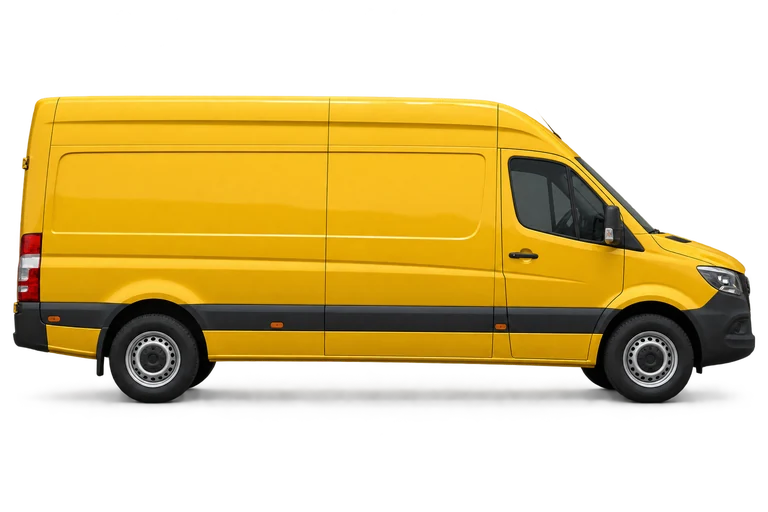
A Long Wheelbase van is worth considering when the consignment needs a longer load area. Describe the largest rigid items and how they will be packed. Include their full travelling dimensions rather than assuming that a long object can be angled into the available space.
List the smaller boxes and furniture travelling with those pieces, including the complete weight. Flag fragile surfaces and items that must remain upright. The team checks the proposed load arrangement, loading opening and vehicle before confirming the collection.
Share the loading point, floor and carrying route at both properties. A suitable load area does not establish that furniture can pass through a narrow door or stair turn. Measure difficult access and explain any parking or appointment restrictions when requesting the estimate.
Discuss the assistance needed for lifting and the person who will receive the load. Tell the team about additional collection addresses or a key-handover window. Changes to the item list, loading method or route need reviewing before you rely on the original plan.
Rigid items need load-area and doorway clearance checks.
A mixed load uses more space without necessarily being exceptionally heavy.
Larger pieces travel with protective packing and the agreed assistance.
Length, width and stackability affect the usable space.
The delivery approach and restrictions can affect the plan.
Bulky items may require more people or preparation.
Select your route, collection time and this vehicle. The team confirms availability and the agreed scope before booking.
Loading the delivery calculator…
See what customers say about moving with Lucky Van.
 Google★★★★★
Genuinely very good service. Competitive rates, communicative. Felt like my goods were in very safe hands. Big up
Google★★★★★I am very satisfied with the Lucky Van team. They were highly receptive to all my needs and provided excellent advice, recommending the most suitable vehicle based on my request.
Google★★★★★Genuinely so impressed with this company, Sent an email in the evening, not expecting a reply. They came straight back, offering all that was needed for a collection and delivery same day and very reasonably priced. Will be using again and can highly recommend. Thank you Lucky Van team, a really great job!
Google★★★★★Great, efficient service and solution. I needed a large palette lifter transported at very short notice and these guys sorted it all for me. Highly recommend.
Google★★★★★I am so happy I found this company. I would like to express my gratitude for demonstrating such an amazing job regarding team collaboration. Always smooth job. Highly recommended!
Check both dimensions and payload. The team confirms the vehicle for your load.
A little planning. A smoother delivery.

Bridge the gap between homes with a clear plan for two moves, everyday essentials, storage access and the help needed at each handover.
Read the article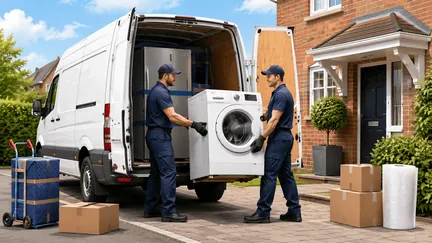
Plan appliance collection with model-specific transport instructions, completed preparation and measured access. Agree carrying separately from installation.
Read the article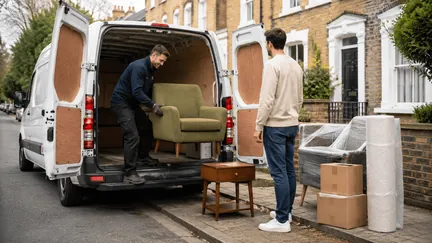
Buying second-hand furniture? Check the item, seller release and access at both homes before arranging a marketplace furniture collection.
Read the articleLucky Van is a London courier team helping people and businesses move goods across the UK. For a long wheelbase enquiry, we start with your packed inventory, both addresses and the way the goods will be loaded and received.
Share your measurements, site photos and preferred delivery window with the team. We will discuss the available vehicle and the handling you need so the collection, route and handover can be agreed before you book. Keep us informed if the goods or access change.

Choose your collection city to explore local areas and delivery services.
No matching locations. Try another city or collection point.
Courier and delivery services
Courier and delivery services
Courier and delivery services
Courier and delivery services
Courier and delivery services
Courier and delivery services
Courier and delivery services
Courier and delivery services
Courier and delivery services
Courier and delivery services
Courier and delivery services
Courier and delivery services
Courier and delivery services
Courier and delivery services
Courier and delivery services
Courier and delivery services
Courier and delivery services
Courier and delivery services
Courier and delivery services
Courier and delivery services
The published load space is 15 m³, the internal dimensions are 4.0 × 1.8 × 1.7 m (length × height × width), and the stated payload is up to 1200 kg. Space and weight are separate checks. Send the complete packed inventory, including the largest item and total weight, so the team can assess the available vehicle.
A Long Wheelbase van is worth considering when the consignment needs a longer load area. Describe the largest rigid items and how they will be packed. Include their full travelling dimensions rather than assuming that a long object can be angled into the available space. Include the full item list and ask the team to confirm the vehicle and handling against the job.
Measure its full length, height and width in the condition in which it will travel. Include packaging, a case or base, and explain whether it must stay upright. For rigid or awkward pieces, share photos too. The team needs to check the loading opening and handling as well as the interior dimensions.
Length is only one measurement. Include the item’s height, width, packaging and whether it can change orientation. The team also needs to consider the loading opening and safe handling. Send the complete dimensions and photos before relying on a van choice for a rigid or awkward piece.
Explain the assistance you need when requesting the quote. Include the heaviest item, stairs, carrying distance and the people or equipment available at each end. The team will confirm the agreed handling help before booking so the collection is planned around the support that will actually be available.
Give the loading point, parking restrictions and the route between the goods and the van at both addresses. Mention narrow approaches, stairs, lifts and fixed receiving windows. Photos help explain difficult access. Vehicle capacity does not establish whether an item can pass through the building or be handled at the proposed stopping point.
Send the preferred date, the earliest time the goods can be released and the receiver’s availability. Include any appointment reference or fixed unloading window. Lucky Van checks the proposed route and available vehicle before agreeing the schedule, so wait for confirmation before arranging other parts of the day around it.
The route, collection readiness, load and handling requirements all form part of the enquiry. Include stairs, carrying distance, loading equipment and any waiting or appointment restriction. The team can then discuss an estimate for the actual scope. Changes to the items or access may need the arrangement to be reviewed.
Compare the Extra Long Wheelbase and send the team your packed measurements and total weight. Different body dimensions or loading methods may be more useful for a particular item. The team can discuss the available vehicle against the whole consignment rather than relying on the volume figure alone.
Start with both full addresses and your preferred collection date. Add an inventory, packed dimensions, individual weights for large items and the complete load weight. Explain loading access, the help available and the person receiving the delivery. Tell the team about any change before relying on the original vehicle and estimate.
Long items can determine a van choice before the rest of the consignment fills much space. A Long Wheelbase van, often described as LWB, is one option to discuss for suitable longer furniture, equipment and mixed loads. Lucky Van arranges transport with a driver in London and across the UK, checking the prepared goods, their weight and the loading conditions before agreeing the journey.
Measure the largest packed length rather than estimating it from a product description. Include handles, supports, end protection and cases. A long component may be light, but its shape can still determine how the other goods are positioned and whether the loading arrangement is practical.
If an item will be dismantled before collection, provide the dimensions of the prepared pieces and identify how they will be grouped. If it must remain assembled, state that clearly. The team should assess the form that will actually travel rather than a smaller configuration that has not been arranged.
LWB is a useful fleet description, but it does not replace the cargo measurements shown for this vehicle. Check those figures and discuss the loading opening as well as the internal area. An object needs a suitable path into the van and room to be positioned and secured safely.
Avoid relying on a presumed diagonal fit for a piece close to a listed limit. Its thickness, orientation and the surrounding load can affect the arrangement. Send accurate dimensions and a photograph of an awkward shape so the team can review the requirement rather than infer it from the label long-wheelbase van.
The longest object may be the starting point, but cartons, accessories and other furniture also need space. List them separately and explain whether they can be stacked. Keep heavy cases and fragile pieces visible in the inventory so they are not treated as small extras that can go anywhere.
Tell us about goods that must be accessed before the rest of the consignment is unloaded. This matters for multi-stop routes or a delivery where one department receives a separate set of packages. The loading plan needs to accommodate the entire journey, including how items can be reached at each handover.
Long goods are not always heavy, and compact goods are not always light. Provide the total packed weight and identify particularly dense or awkward items. Include pallets, frames and protective cases where applicable. Space available around a long item is not evidence that unlimited additional weight can be carried.
If the weight is not yet confirmed, explain what information is available and ask what needs checking. The vehicle discussion should consider payload and the distribution of the actual load alongside its dimensions. A clear inventory makes that discussion more useful than choosing from cargo photographs alone.
A Medium Wheelbase van may be sufficient when the longest item is shorter or the mixed load is modest. An Extra Long Wheelbase van may be relevant where the complete consignment requires another assessment of length and space. Compare them using the same prepared measurements.
For bulky furniture with a different shape or handling requirement, a Luton box van can also be worth discussing. Vehicle names are starting points for an enquiry, not promises that a particular item fits. The team checks the actual van, load and access for transport with a driver.
Protect surfaces and corners and keep fittings attached to the right inventory item through clear labels. Long loose components should be identified and prepared for the agreed handling arrangement. Explain any glass, delicate finish or projecting part that needs consideration during loading and securing.
For a furniture-focused collection, review furniture delivery. Check the route through both properties, not just the van space. A long item can be difficult to turn through a stairwell or narrow corridor even where its travelling dimensions suit the vehicle.
For a household move, provide the packed boxes and furniture list, including goods from storage or another collection point. The house removals page explains the preparation and key-access details that help define the job. State which items will be ready and who will be present at each property.
For a workplace move, see office removals and identify loading appointments, goods lifts and receiving departments. Long desks or worktops may require preparation before transport. Agree the assistance needed rather than assuming the vehicle’s load space describes the full handling task.
Explain where the van can stop and how goods reach the loading point. Give known restrictions on vehicle approach, height or turning space so the actual vehicle can be considered. Cargo dimensions alone do not indicate whether a particular loading bay or car park is suitable.
Describe stairs, lift access and internal carrying distances at both sites. If a long object needs a particular orientation to pass an entrance, include that in the enquiry. Access information is part of deciding a workable plan, not an optional detail to resolve only when the vehicle arrives.
If the goods are held by a retailer, warehouse or another person, confirm the release process and the time the complete consignment will be ready. Give the reference the collection contact recognises. For several long pieces forming one set, make the count clear on the inventory and packaging.
A prepared-load check can cover:
An extra supplier collection can change the maximum load and the arrangement inside the van. Give all stops, what happens at each one and any required order. If an item needs to be unloaded early, explain that so it can be considered with goods remaining on board.
For several destinations, our multi-drop service provides useful route-preparation guidance. Returns also need their own description and destination. A long component collected after an outward delivery may require different positioning or protection from the goods that travelled first.
The route, suitable vehicle, handling assistance and access conditions shape the estimate. Tell the team about loading appointments, expected waiting and any difficult movements. If the inventory changes after an LWB van has been discussed, send the revised details before relying on the earlier arrangements.
Before collection, review:
Send the inventory and addresses through the quote form, or contact the team if the long items or access need more explanation. Our scheduled delivery page is useful when coordinating a planned release date, and the delivery journal offers additional preparation advice.
A well-described LWB enquiry combines the longest items with the rest of the load, its weight and the routes through the buildings. That gives the team a basis for discussing a Long Wheelbase van with a driver and confirming the scope of a suitable collection and delivery journey.


