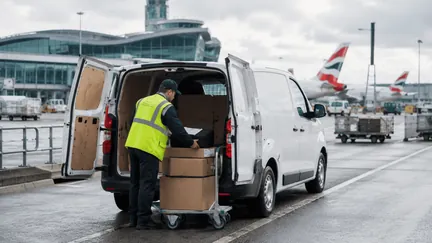
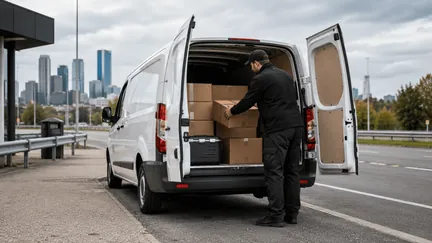
Describe the deadline in operational terms
Saying a delivery is urgent does not explain when it stops being useful. A trade counter may close at a set time; an engineer may only be at a site during an access window. Give the required arrival time and distinguish a firm cut-off from a preferred target. Include the earliest point at which the goods can actually be collected.
Explain any dependency that affects the plan, such as a part awaiting inspection or a replacement unit requiring a release signature. There is no benefit in arranging collection against a time when the item is still unavailable. If the destination can accept a later handover through a different entrance or contact, mention that option when discussing the route.
Keep the cargo description specific
Time-critical loads range from a compact replacement component to bulky equipment or several cases of stock. Name the goods in plain language and give their packed size and weight. Identify sharp edges, delicate fittings or a centre of gravity that makes handling awkward. The vehicle should suit the consignment even when the deadline is pressing.
If a piece is travelling in a transport case, measure the case rather than the item inside. Include pallets, bases and attachments in the total. For a mixed load, explain which items belong together and whether any can be stacked. This allows the booking discussion to cover space, securing and unloading as well as the quickest practical collection opportunity.
Separate an urgent journey from a general same-day request
Our same-day courier service covers enquiries for collection and delivery within the day. Urgent cargo delivery puts particular emphasis on a specific time constraint or business dependency. In both cases, the team needs to check availability and the full route; the service name alone does not confirm a departure or arrival slot.
Where the task can be planned ahead, use scheduled delivery to coordinate the release and receiving windows. If several destinations are involved, explain the complete itinerary rather than treating the first leg as a stand-alone urgent job. The later stops may affect space, timing and what must be accessible during unloading.
Prepare a concise collection brief
A single accurate message is more helpful than several messages with incomplete addresses or different deadlines. Start with the details that determine whether the journey is feasible. References, contacts and access instructions can then be matched to the same consignment rather than pieced together after a vehicle has been discussed.
For the first enquiry, include:
- The cargo description, packed measurements and total weight.
- Exact addresses and the earliest confirmed release time.
- The receiving cut-off and any booked unloading appointment.
- A named person who can answer questions at collection and delivery.
- Any handling equipment or assistance needed at either end.
Check that somebody can release the goods
A supplier may need payment clearance, a purchase order or approval from your colleague before handing an item over. Resolve those steps directly with the supplier and pass on the collection reference they will recognise. If the release is still conditional, say so; it should not be presented as a confirmed ready time.
Keep the packed cargo together and tell staff exactly which items are included. A component sent without its accessories may not solve the receiver’s problem, while an unexpected additional case can change the space required. Confirm the complete consignment before the collection plan is agreed, especially where the receiving deadline leaves little flexibility.
Select a van around dimensions and handling
For compact equipment or smaller cartons, a Small Van may be relevant. A longer unit or larger mixed load may need a Long Wheelbase van or another option from the fleet. Describe the item first and let the vehicle discussion follow from the measurements and access conditions.
Heavy cargo needs a separate assessment of loading and unloading arrangements. Tell us if a forklift, loading dock or other equipment is available, and whether the receiving site has equivalent facilities. If you are asking about a tail lift, include the load footprint and weight so suitability can be checked; it is not a substitute for an agreed handling plan.
Account for the final metres at the destination
The road journey may only be one part of the time required. Security checks, locating a receiving contact and moving the cargo from the vehicle to the agreed handover point also take time. Give the entrance, unit or department that actually accepts deliveries rather than relying on the organisation’s main postcode.
If access involves stairs, a restricted lift or a long approach from the unloading point, explain it before booking. For an operational site, ask the receiver about any sign-in or attendance requirement. A realistic urgent-delivery discussion includes these steps instead of assuming the job ends the moment the vehicle reaches the address.
Keep instructions stable during the enquiry
Assign somebody who can make decisions if the release time or destination changes. That person should be reachable while the booking is being arranged and able to speak with the supplier or receiver. Conflicting updates from several departments can make a time-critical job harder to coordinate than the actual distance suggests.
Report changes as a complete revised instruction: what has changed, the new address or time, and who has confirmed it. An additional stop, larger consignment or earlier closing time needs checking against the existing plan. Contact the team rather than assuming an earlier estimate still covers a materially different journey.
Agree the service scope before relying on it
An estimate should reflect the real route, vehicle and agreed work. Waiting for release, multiple loading points and specialist access can affect the arrangements. State what is essential to the handover and ask the team to clarify any part you are unsure about. The published service page is an enquiry guide; the individual booking confirms what can be provided.
Useful points to settle include:
- The collection window and the latest receiving time.
- The precise cargo and any supporting paperwork.
- The agreed loading assistance and handover point.
- Whether the route includes a return item or further stop.
- Who receives updates if either site changes its instructions.
Consider what happens if the cargo is not released
A time-critical enquiry sometimes depends on a repair being completed or a replacement unit being approved. Tell us if the release is still uncertain and identify who can confirm it. This lets the booking conversation distinguish a possible collection from goods that are already packed and authorised to leave. Keep the receiving contact informed of the same dependency.
If the supplier cannot release the item as expected, ask the team to review the arrangements before making a different plan. A new collection point or substitute item may change the vehicle, route and handling. Where an old unit must come back after a replacement is delivered, describe that return leg from the outset, including its size, packaging and readiness. A return movement is part of the transport scope rather than an automatic extra.
Ask about urgent cargo delivery with the full picture
Send the route and load through the quote form, then contact the team with the time constraint and release details. If the cargo is part of a routine business transfer, our business courier page explains the information that helps organise supplier and site handovers. For palletised loads, review pallet and freight delivery as well.
Keeping the brief accurate gives an urgent enquiry its best starting point. Have the cargo ready, nominate contacts who can act and make the receiving requirements explicit. The aim is to agree a journey that fits both the consignment and its deadline, with the necessary access and handling understood before collection.